



Latitude
-13.24627
Longitude
34.295386
Overview
GM Crops Planted
Cotton
Hectarage
Area (ha) under GM Crops
GM Crops with Food, Feed and Processing (FFP) Approvals
Soybean
Terms & Acronyms
Food, Feed or Processing (FFP)
Genetically Modified (GM)
Note
Commercial Release / General Approval cover Food/Feed Processing approval.
The approval decision on this site are only post 2015.
Biosafety Laws, Regulations
& Guidelines
National Biosafety Regulatory Committee (NBRC)
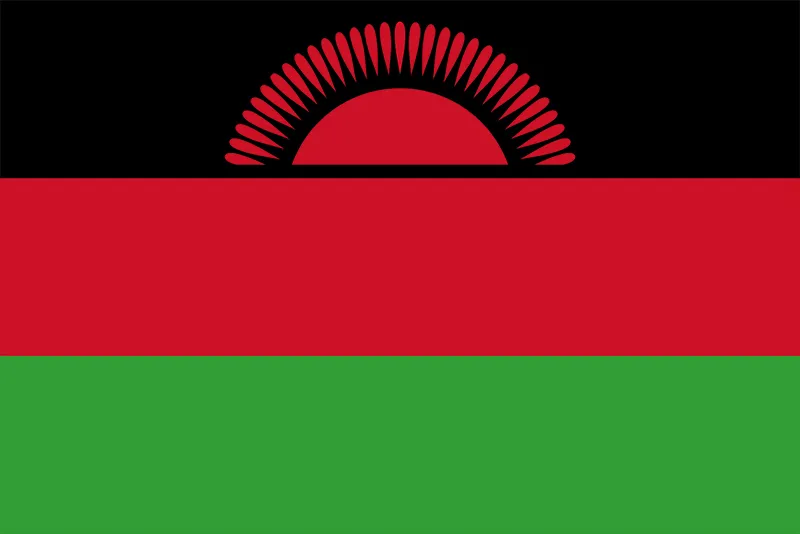
Malawi enacted a Biosafety Act in 2002, Gazetted the Biosafety Regulations in 2007, and approved a Biotechnology and Biosafety Policy in 2008. The National Biosafety Regulatory Committee (NBRC), the national competent authority, was established in 2007 pursuant to the provisions of the Biosafety Act of 2002. The overarching mandate of NBRC is to exercise general supervision and control over development, transfer, handling and use of GMOs. It is housed under the Department of Environmental Affairs. NBRC implements biosafety regulations, guidelines and operating procedures – such as research, environmental release, import, export and transit.
Genetically Modified (GM) Crops Approvals in Malawi
and the Field Trials approvals for each crop. The approval’s decisions reported on this site only go back to 2015.

Soybean
- FFP Only
- Commercial Release
- Field Trials
| Event Code | Trade Name | Traits | Developer | Date of Approval |
|---|---|---|---|---|
| Roundup Ready™ soybean | Resistance to glyphosate herbicide | Monsanto | 2022-02-01 |
No Commercial Release Crops at the moment
Field trial data not yet recorded for this entry
Importation Regulatory Snapshot for
GM Food, Feed, or for Processing
Application Process for GM FFP
Import Permit
1. First step is to fill the application for a licence/permit for importation of GMOs providing the relevant information necessary for the application to be reviewed including identification of importing entity, brief description of GM product, country of origin and list of countries where the GMO has been approved, evidence of safety assessment approval in at least 5 of the countries where product has been approved, intent use of the product and method for safe and waste handling, transportation, containment, port of entry and date of arrival.
2. Application is submitted to the Biosafety Registrar, who acknowledges receipt and checks for completeness and communicates back to the applicant in case of deficiencies in the application.
3. The registrar forwards the application to the NMRC for review and recommendation.
4. Public notification is done for 30 days by the applicant, and comments from the public are received by the Registrar.
5. The decision-making process takes up to 3 months from the date the NBRC receives the application.
6. Final decision is made by the Minister on the recommendation of the NBRC, and applicants can appeal to the Minister if they feel aggrieved with the decision.
7. The Minister issues the permit/licence and has the power to revoke or modify.
8. The permit is valid for up to 1 year.
Permit Fees:
Biosafety Laws, Regulations & Guidelines
National Biosafety Regulatory Committee (NBRC)
Malawi enacted a Biosafety Act in 2002, Gazetted the Biosafety Regulations in 2007, and approved a Biotechnology and Biosafety Policy in 2008. The National Biosafety Regulatory Committee (NBRC), the national competent authority, was established in 2007 pursuant to the provisions of the Biosafety Act of 2002. The overarching mandate of NBRC is to exercise general supervision and control over development, transfer, handling and use of GMOs. It is housed under the Department of Environmental Affairs. NBRC implements biosafety regulations, guidelines and operating procedures – such as research, environmental release, import, export and transit.
Navigate & Discover Everything About GMOs
Langauge
Yes
Does the country plant GM crops?
2002
Since
No. of GM Crops Species