Discover | Decide | Invest

Navigate & Discover About GMO's & Approval in Africa

Other Countries

Tunisia
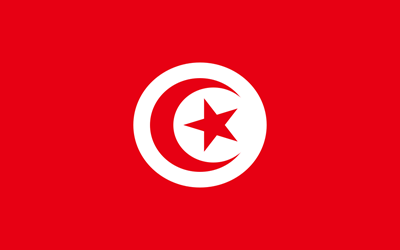
Flag_of_Tunisia

Latitude

9.5375°E

Longitude

33.8869°N

Overview

Tunisia extends from the Mediterranean coastal plains through the Atlas Mountains to the semi-arid and arid regions of central and southern Tunisia. Approximately 17% of the country’s land is arable, supporting wheat, barley, olives, dates, citrus, vegetables and grapes. Major agricultural imports include wheat, maize, soybean meal and vegetable oils, while principal exports include olive oil, dates, citrus fruits and seafood. Tunisia does not commercially cultivate GM crops and does not permit the importation of GM food and feed products. No GM FFP approvals have been granted.

Hectarage

Area (ha) under GM Crops

Terms & Acronyms

Food, Feed or Processing (FFP)

Genetically Modified (GM)

Note

Commercial Release / General Approval cover Food/Feed Processing approval.

The approval decision on this site are only post 2015.

Biosafety Laws, Regulations
& Guidelines

Nature Conservation Sector (Egyptian Environmental Affairs Agency)

Tunisia’s biosafety framework is guided by its National Biosafety Strategy and Action Plan and obligations under the Cartagena Protocol on Biosafety. The Ministry of Environment serves as the Competent National Authority, while the National Agency for Sanitary and Environmental Control Products undertakes food safety risk assessment. Oversight is provided through the National Biosafety Committee. Although a National Biosafety Law has been drafted, it has not yet been enacted, and implementing regulations remain under development.


Select Crop Type

Genetically Modified (GM) Crops Approvals in Tunisia

No approval decisions yet

Importation Regulatory Snapshot for
GM Food, Feed, or for Processing

Application Process for GM FFP
Import Permit

1. Applications are submitted to the designated Competent National Authority.
2. The Authority is developing procedures that will align with Codex Alimentarius guidelines for GM food safety assessment.
3. Submitted applications undergo scientific review by the relevant competent authorities.
4. The National Biosafety Committee provides technical recommendations before a regulatory decision is made.
5. No formal statutory timelines, permit validity periods or appeal mechanisms have yet been established under the pending legislation.

Biosafety Laws, Regulations & Guidelines

Navigate & Discover Everything About GMOs

Langauge

Yes

Does the country plant GM crops?

Since

No. of GM Crops Species